- Your cart is empty
- Continue Shopping

Hot
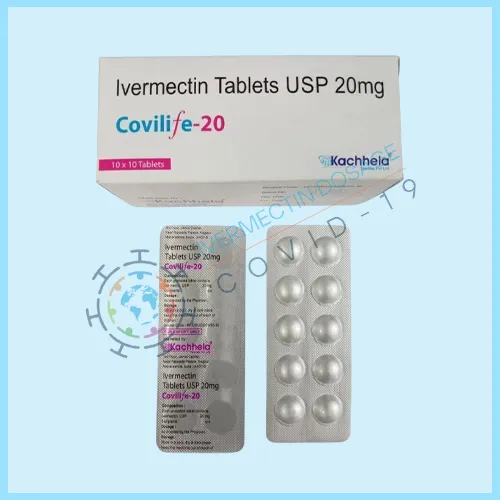
Ivermectin 20 mg
$100.00 – $4,500.00
Ivermectin 20 mg is a prescription antiparasitic medicine used to treat various parasitic infections. Doctors prescribe Ivermectin 20 mg after proper diagnosis and evaluation. Ivermectin 20 mg works by targeting parasites and helping eliminate them safely when taken according to medical guidance.
Tablet
Choose an option
Add to cart
Buy Now
15% OFF
Use coupon OFF15
Click to Copy
Valid for order above $300
Ivermectin 20 mg
Ivermectin 20 mg is a widely prescribed antiparasitic medication. Healthcare professionals recommend Ivermectin 20 mg for specific parasitic infections after careful medical assessment. Patients rely on Ivermectin 20 mg for its established effectiveness and safety profile when used responsibly.
What Is Ivermectin 20 mg?
Ivermectin 20 mg contains ivermectin as the active ingredient. Ivermectin belongs to a class of drugs known as antiparasitic agents. Ivermectin 20 mg helps eliminate parasites by interfering with their nervous system function. This disruption causes paralysis and eventual death of the parasites.
Doctors prescribe Ivermectin 20 mg for infections such as strongyloidiasis and onchocerciasis. In some cases, Ivermectin 20 mg may also be recommended for other parasitic conditions based on clinical judgment.
How Ivermectin 20 mg Works
Ivermectin 20 mg works by binding to glutamate-gated chloride channels in parasites. This binding increases the permeability of cell membranes to chloride ions. As a result, nerve impulses become disrupted. Parasites lose mobility and survival capability.
The correct dosage of Ivermectin 20 mg ensures maximum effectiveness. Medical supervision remains important when using Ivermectin 20 mg to prevent misuse or incorrect dosing.
Medical Uses of Ivermectin 20 mg
Ivermectin 20 mg is commonly used to treat:
-
Intestinal strongyloidiasis
-
Onchocerciasis (river blindness)
-
Certain parasitic skin conditions
-
Other parasitic infections as advised by a doctor
Healthcare providers prescribe Ivermectin 20 mg after confirming infection through appropriate testing or clinical evaluation. Accurate diagnosis improves treatment success with Ivermectin 20 mg.
Recommended Dosage of Ivermectin 20 mg
Doctors determine the appropriate dose of Ivermectin 20 mg based on body weight and type of infection. Patients usually take Ivermectin 20 mg on an empty stomach with water.
Some conditions require a single dose of Ivermectin 20 mg, while others may require repeat dosing. Patients must follow prescribed instructions carefully when taking Ivermectin 20 mg.
Skipping or doubling doses of Ivermectin 20 mg may reduce effectiveness or increase side effects. Consistent adherence ensures optimal results.
Benefits of Ivermectin 20 mg
Ivermectin 20 mg offers several advantages:
-
Effective action against targeted parasites
-
Convenient oral tablet form
-
Well-researched clinical use
-
Generally well tolerated
-
Suitable for specific parasitic infections
Patients who use Ivermectin 20 mg under supervision often experience improvement in symptoms within days. Ivermectin 20 mg supports parasite elimination and reduces the risk of complications.
Possible Side Effects
Like any medication, Ivermectin 20 mg may cause side effects. Most reactions remain mild and temporary. Common side effects of Ivermectin 20 mg include:
-
Nausea
-
Dizziness
-
Headache
-
Mild skin rash
-
Fatigue
Severe reactions to Ivermectin 20 mg are rare. Patients should seek medical attention if unusual symptoms appear after taking Ivermectin 20 mg.
Precautions Before Taking Ivermectin 20 mg
Before starting Ivermectin 20 mg, patients should inform their healthcare provider about:
-
Liver conditions
-
Immune system disorders
-
Pregnancy or breastfeeding
-
Current medications
Ivermectin 20 mg should only be taken as prescribed. Self-medication with Ivermectin 20 mg may lead to inappropriate use or incorrect dosing.
Alcohol consumption should be limited while using Ivermectin 20 mg unless a doctor advises otherwise. Responsible use of Ivermectin 20 mg enhances safety and treatment success.
Drug Interactions
Certain medications may interact with Ivermectin 20 mg. Patients should disclose all prescription and non-prescription drugs before starting Ivermectin 20 mg. Healthcare providers evaluate potential interactions and adjust treatment accordingly.
Ivermectin 20 mg should not be combined with other antiparasitic medications without medical guidance. Proper evaluation ensures safe therapy.
Storage Guidelines
Store Ivermectin 20 mg in a cool, dry place away from direct sunlight. Keep Ivermectin 20 mg in its original packaging. Proper storage maintains the stability and potency of Ivermectin 20 mg.
Always check the expiration date before using Ivermectin 20 mg. Expired tablets should not be consumed.
Important Information
Ivermectin 20 mg treats parasitic infections and does not serve as a general antiviral or antibiotic medication. Patients should not use Ivermectin 20 mg for unapproved purposes without medical advice.
Doctors assess whether Ivermectin 20 mg suits the patient’s condition. Professional evaluation ensures correct diagnosis and safe administration of Ivermectin 20 mg.
Conclusion
Ivermectin 20 mg remains a trusted antiparasitic medication for specific infections. Healthcare professionals prescribe Ivermectin 20 mg based on clinical need and patient evaluation. When used correctly, Ivermectin 20 mg provides reliable parasite control with an established safety profile.
Patients should always consult a qualified healthcare provider before starting Ivermectin 20 mg. Accurate diagnosis, correct dosage, and adherence to medical advice maximize the benefits of Ivermectin 20 mg while minimizing potential risks.
Frequently Asked Questions (FAQ)
1. What is Ivermectin 20 mg used for?
Ivermectin 20 mg is used to treat parasitic infections such as strongyloidiasis and onchocerciasis under medical supervision.
2. How should I take Ivermectin 20 mg?
Patients should take Ivermectin 20 mg exactly as prescribed, usually on an empty stomach with water.
3. Is Ivermectin 20 mg safe?
Ivermectin 20 mg is generally safe when used according to medical advice. Side effects are usually mild and temporary.
4. Can I use Ivermectin 20 mg without a prescription?
Ivermectin 20 mg should only be used under the supervision of a healthcare professional.
5. What should I do if I miss a dose of Ivermectin 20 mg?
If you miss a dose of Ivermectin 20 mg, consult your doctor for guidance. Do not double the dose without
Additional Information
| Tablet | 100 Tablet/s, 200 Tablet/s, 300 Tablet/s, 500 Tablet/s, 1000 Tablet/s, 2000 Tablet/s, 5000 Tablet/s, 10000 Tablet/s |
|---|---|
| Active Ingredient (Generic Name) | Ivermectin |
| Indication | antiparasitic medication, treating COVID-19 |
| Manufacturer | Will Impex Pharmachem Pvt Ltd |
| Packaging | 10 Tablet In 1 Strip |
| Strength | 12mg |
| Delivery Time | 6 To 15 days |
Related products
Hot


Hot


Hot

Hot


Reviews
There are no reviews yet.